

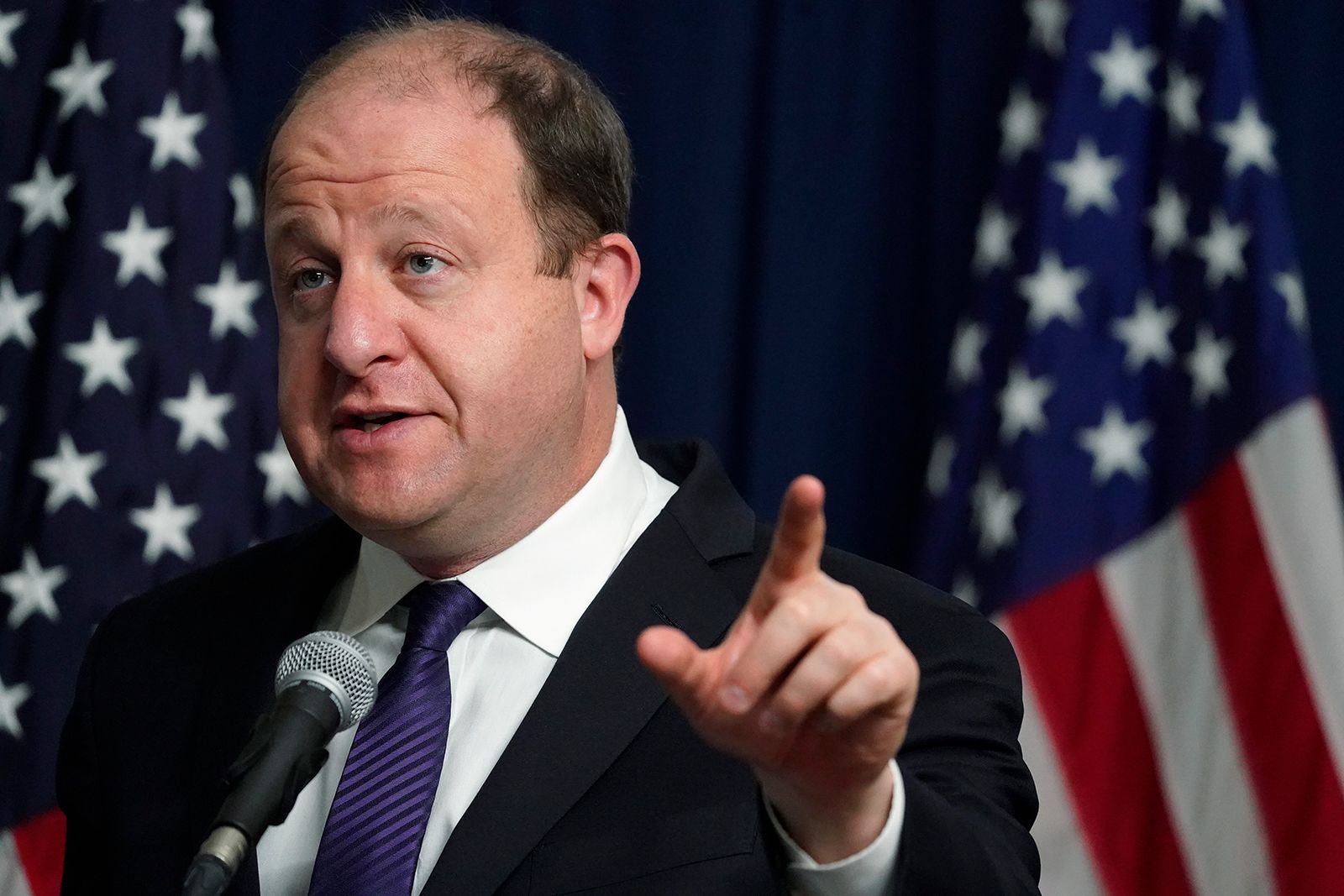
Colorado’s Governor Jared Polis received Senate Bill 131 on May 13, with 30 days to sign a measure that would make the state the first in the country to impose a statutory daily deposit cap on sports betting platforms and ban credit card use across all licensed sportsbook operators.
The bipartisan legislation passed the Senate on a 20-15 vote after the House approved a final version of the bill, completing a legislative journey that began earlier in the year amid growing concern about debt-financed wagering and problem gambling rates in the state.
The bill’s core provisions are straightforward in what they target. Sports bettors would be limited to six deposits per 24-hour gaming day, credit card deposits would be banned entirely, and operators would be prohibited from sending push notifications or text messages that encourage players to place wagers or add funds.
SB 131 also bars operators and their affiliates from targeting anyone under 21 and restricts promotional language, prohibiting terms like “bonus bet” and “no sweat” in any marketing materials, a measure that directly addresses the aggressive acquisition tactics that have defined the US sports betting market since federal legalisation.
The context behind the legislation is significant. Colorado residents and visitors placed more than $6.3 billion in online sports wagers in 2025, a figure that represents growth of over 130 percent compared with 2020 and reflects just how rapidly the state’s market matured after legalisation.
Five of the 13 licensed sportsbooks in Colorado already voluntarily ban credit card deposits, which means the legislation extends an existing industry practice to the full operator set rather than introducing an entirely foreign concept.
If Polis signs the bill and the legislature adjourns on schedule, the law would take effect 90 days later on approximately August 12, 2026, giving operators a structured but not particularly generous runway to update their platforms, payment processing relationships, and customer communications infrastructure.
The deposit frequency cap and push notification ban are believed to be the first such restrictions in any US sports betting jurisdiction, placing Colorado at the frontier of responsible gambling regulation in a way that other state legislatures are likely to monitor closely.
Earlier versions of the bill contained broader advertising blackouts between 8 am and 10 pm and restrictions on promotions during live sports broadcasts, language that did not survive committee negotiations after concerns were raised about enforceability and alignment with federal regulations.
The prop bet prohibition, included in the original version, was also removed before final passage after a fiscal analysis showed it would reduce state sports betting tax revenues by approximately $2.4 million in fiscal 2026-27 and similar amounts in subsequent years, an amount lawmakers decided was not worth the regulatory friction.
For operators like DraftKings, FanDuel, and bet365, the Colorado changes add another layer of compliance cost to a state market where profitability margins are already narrower than in newer, less competitive jurisdictions.
The broader industry signal is difficult to ignore. As US sports betting’s growth rate normalises from its initial expansion phase, state legislators across the country are moving from market facilitation toward consumer protection as their primary legislative priority.
