

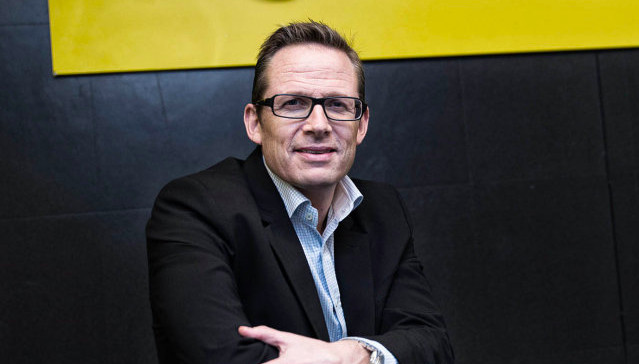
Evoke plc has declined to comment on reports that chief executive Per Widerström is facing mounting internal pressure and could be forced out of the role, deepening the uncertainty surrounding the leadership of one of Britain’s largest gambling groups.
GamblingNews.uk reported last week that sources close to the William Hill and 888 parent company indicated the situation around Widerström’s position is fluid, with patience within the organisation not unlimited. When approached for a response to this publication’s enquiries, Evoke offered no comment, a stance that does little to quell the speculation now swirling around the Gibraltar-headquartered group.
The silence is notable given the scale of the challenges stacking up against management. Evoke posted a loss after tax of £549.1 million for FY2025, a 149 per cent deterioration on the prior year’s figure of £220.9 million, while net debt closed the year at £1.86 billion. Widerström has pointed to consecutive years of adjusted profitability growth and improving EBITDA margins as evidence of progress, but analysts and investors have grown increasingly sceptical of a framing that sidesteps the headline numbers.
The tension boiled over publicly during the FY2025 earnings call, when one analyst pressed Widerström and CFO Rob Wilkins directly on why the share price had fallen sharply and debt had risen since both executives joined the company, demanding to know when shareholders would see any value returned. Widerström, who acknowledged being a shareholder himself, responded by pointing to revenue growth and margin improvements, but those assurances have done little to restore confidence in some quarters.
The company is simultaneously navigating a hostile regulatory environment after Chancellor Rachel Reeves used last November’s Autumn Budget to nearly double the UK Remote Gaming Duty from 21 per cent to 40 per cent and raise the levy on remote betting from 15 per cent to 25 per cent. Evoke suspended its financial targets in the wake of the announcement and signalled that thousands of jobs could be at risk. Widerström was openly critical of the Treasury’s approach, warning that higher taxes would drive consumers towards unregulated black market operators.
Against that backdrop, Evoke announced in December 2025 that it was considering a sale or breakup of the group, and has since been reported to be in talks over a £225.3 million takeover approach from Greek lottery and gaming firm Bally’s Intralot. News of those discussions sent shares nearly 16 per cent higher in a single session, a reaction that spoke more to how far the stock had fallen than to any genuine enthusiasm for the offer.
Widerström inherited a company already carrying close to £1.8 billion in debt from the 2022 William Hill acquisition, and took the role in circumstances shaped by the abrupt dismissal of his predecessor Itai Pazner, who was ousted following KYC and anti-money laundering failures in 888’s Middle Eastern markets. The compliance scandal sent shares tumbling as much as 14 per cent on the day of Pazner’s departure and left the group in a fragile state before Widerström had taken a single decision.
Whether his exit comes by choice or boardroom direction, sources suggest the clock is running. Evoke’s continued refusal to address the matter publicly means the questions around its leadership are unlikely to disappear.
