

New research presented at a major industry conference suggests the Gambling Commission’s flagship survey dramatically overstates how many people in Great Britain actually gamble.
Dan Waugh of Regulus Partners compared the Gambling Survey for Great Britain’s participation estimates against real administrative data obtained directly from licensed operators across three product categories.
The Gambling Survey for Great Britain was launched in 2023 as a bespoke online survey targeting 20,000 respondents annually, positioned by the Commission as the definitive source on gambling participation.
Waugh presented his findings at the UNLV Eadington Conference 2026, concluding that the survey figures were substantially higher than operator data in every category examined.
Waugh told NEXT.io: “The data reveals substantial over-reporting of gambling participation in the GSGB compared to what is actually happening in the regulated market.”
He added: “There are only two possible explanations for this. Either the survey sample is skewed or there are massive – and hitherto undetected – black markets for land-based casinos, betting exchanges and the football pools.”
Waugh concluded: “Whichever explanation one applies, it is clear that the GSGB cannot be considered a reliable source of data for measuring gambling behaviours in the regulated market.”
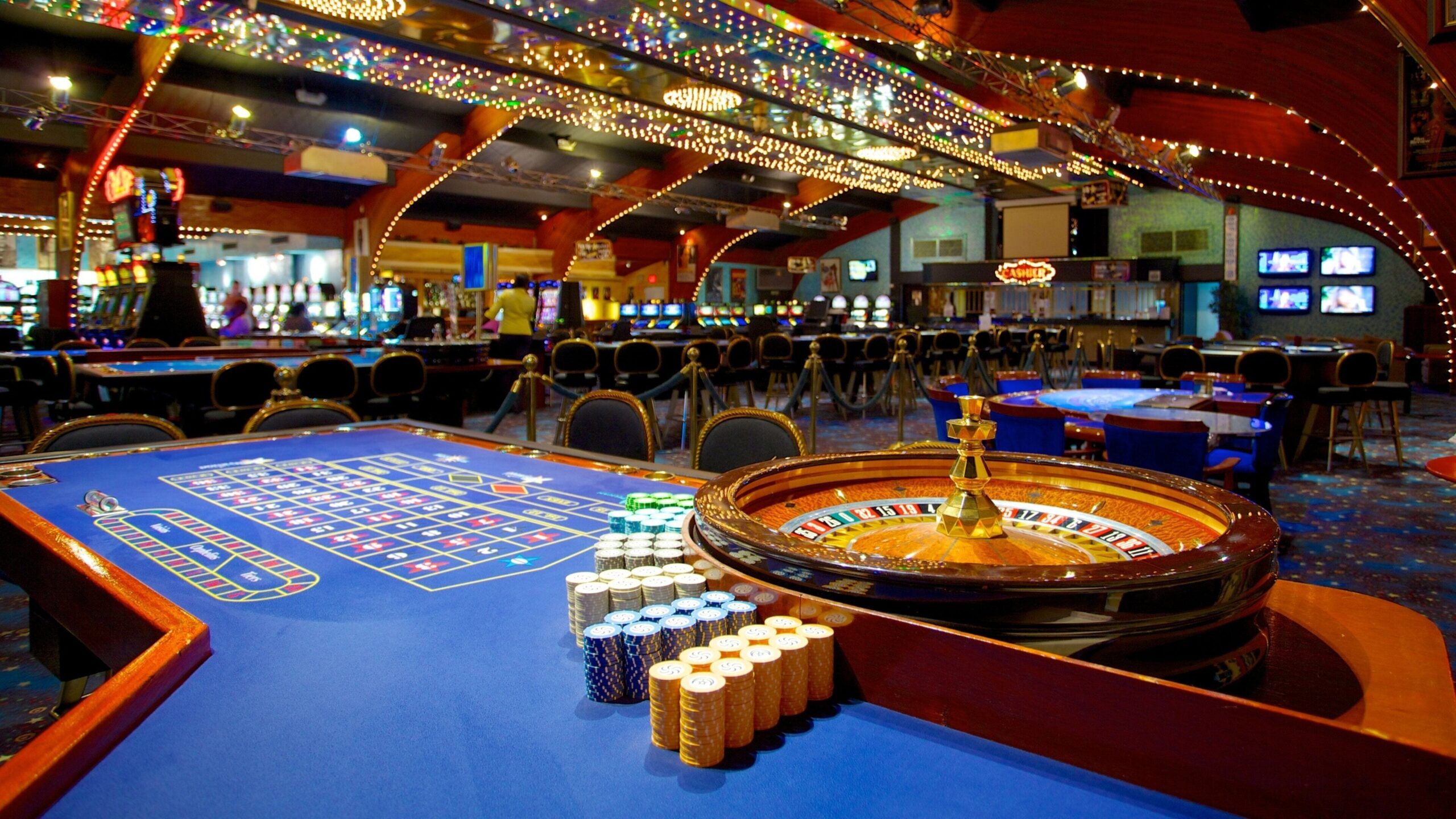
For casino visits, Waugh used data from the Betting and Gaming Council covering 100% of the licensed casino market, finding the survey estimated between 1.75 million and 2.25 million visits against just over one million actual recorded visits.
Accounting for the fact that between 40% and 80% of casino visits do not involve table games at all, the GSGB estimates for casino participation were between 408% and 628% above administrative data figures.
The discrepancy was most severe for the football pools, where The Football Pools Limited holds a complete monopoly, making its customer records a definitive participation measure.
The GSGB estimated around 863,000 unique players for a given period in 2023, while the operator recorded just 109,000 actual customers, implying a survey overstatement of 694%.
For betting exchange participation, Waugh used Betfair data representing an estimated 85% of the market, scaling up to derive a full-market estimate of around 172,000 bettors against the GSGB’s figure of approximately 612,000.
Waugh attributed the discrepancies to known survey methodology problems, including “topic salience bias,” low response rates, and broader selection bias affecting who chooses to participate.
He concluded his analysis pointed to “systemic bias” in the GSGB affecting both participation and frequency estimates, warning that regulatory policy risks being built on fundamentally inaccurate data.
The Office for Statistics Regulation previously recommended the Commission communicate that its data risks overestimating gambling behaviours, but the Commission declined to adopt that approach.
Waugh also previously challenged the Commission’s use of an LSE review, arguing the regulator had misrepresented findings that he said actually showed mixed results and should have reduced confidence in the survey.
A Commission spokesperson told NEXT.io: “The GSGB is the largest survey of its kind in the world and has been subject to significant external scrutiny by those with recognised expertise in survey design.”
Waugh called for regulatory decision-making to draw on a range of data sources rather than any single survey, arguing operator administrative data should play a central role in testing survey reliability.
