


The slot machine odds for 777 represent one of the most searched topics in casino gaming, tied to the enduring cultural status of the triple seven combination as the definitive symbol of a jackpot win.
Understanding what that combination actually pays — and how likely it is to appear — requires separating the mythology from the mathematics.
The Mathematics Behind Slot Machine Odds for 777
Slot machines use Random Number Generators, commonly referred to as RNGs, which ensure each spin produces a random and unpredictable result, meaning no spin is influenced by the outcome of the one before it.
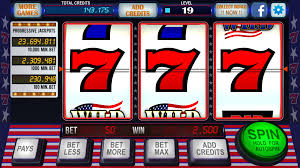
The 777 combination is typically designated as the highest fixed-pay symbol combination on classic three-reel machines, but its payout value varies considerably depending on denomination, machine type, and bet size.
On a quarter machine, a 777 outcome might pay 10 credits for a single-coin bet, 25 credits for two coins, and as many as 1,000 credits when the maximum number of coins are played.
This scaling structure is intentional — casinos design payout tables to incentivise maximum betting, which increases the house’s theoretical hold per player session.
The odds of landing three 7s on a slot depends entirely on how many stop positions exist on each reel and how many of those stops are assigned to the 7 symbol.
On a traditional mechanical three-reel slot with 20 stops per reel and one 7 per reel, the base probability of hitting 777 is 1 in 8,000 — calculated as one-twentieth multiplied by itself three times.
Modern video slots and software-driven machines use virtual reels with far more stop positions, meaning the actual odds for a top symbol combination can run into the tens of thousands or even millions to one.
How Return to Player Rates Affect Slot Machine Odds for 777
A typical slot machine carries a Return to Player rate of around 95%, meaning that over a large number of spins, for every $100 wagered, $95 is returned to players collectively — though those returns are distributed unevenly across wins of varying sizes.
The remaining percentage constitutes the house edge, which is the casino’s guaranteed long-term profit margin built into every game regardless of denomination.
Slots operating above a 96% RTP are considered above the industry average and generally offer players a better long-term return relative to the amount wagered.
Progressive jackpot machines, which often feature the 777 symbol as their top prize trigger, tend to operate at lower base RTPs because a portion of every wager feeds the growing jackpot pool rather than funding regular payouts.
Analysis of large progressive machines has shown that as little as 78 cents of every dollar wagered is returned in non-jackpot payouts, with additional portions going toward fuelling the jackpot and operator profit margins.
Volatility is also a critical variable — low volatility slots provide more regular wins of smaller amounts, while high volatility games produce fewer wins but with the potential for significantly larger payouts when they do land.
The 777 on a high-volatility classic slot will appear rarely, but when it does, the payout relative to stake can be substantial compared to the base game average.
For recreational players, the core takeaway is that the triple seven is far less attainable than its iconic status implies, and that casinos are designed to return less than the amount wagered over any extended period of play.
